
 Emma Jantzen
 Magnolia Trees: The Complete Guide to Varieties, Planting, Care, and Landscape Design
Magnolia trees combine dramatic blooms, glossy foliage, and wildlife value, making them a top pick for both bold specimen planting and softer, mixed borders. From the large, evergreen Southern magnolia to the delicate, early-blooming star magnolia, these trees offer options for many garden styles and climates.
Why magnolias stand out
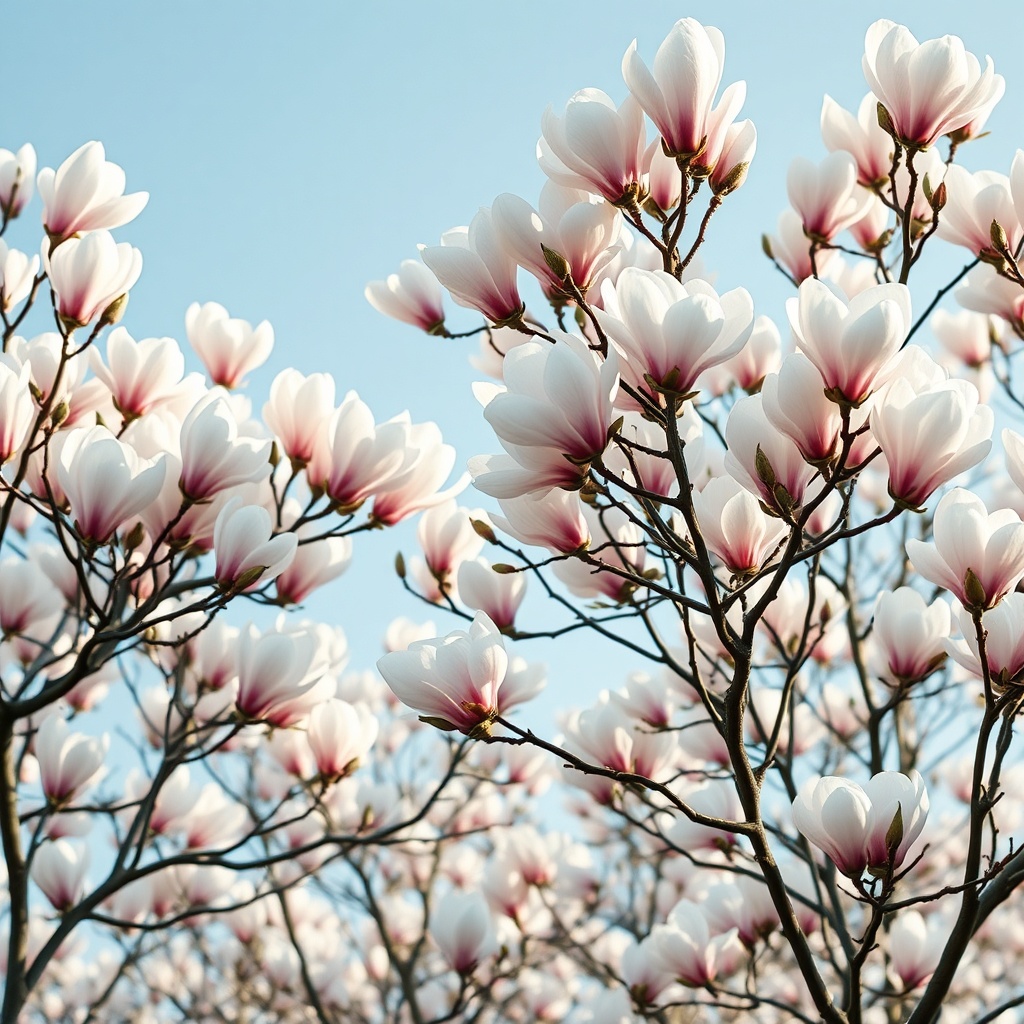
Magnolia flowers are often large, fragrant, and built to attract beetles—an evolutionary trait that predates many modern pollinators. After flowering, many magnolias produce cone-like seed pods with bright red seeds that are attractive to birds and other wildlife. Their architectural form and long-lasting leaves on evergreen varieties also provide year-round garden interest.
Choosing the right variety
There are deciduous magnolias, like saucer and star types, that put on striking spring displays, and evergreen species, like Southern magnolia, that keep glossy leaves through the seasons. Narrower, smaller cultivars are available for compact yards or containers, while larger species work well as focal trees or for screening. Recent breeding has focused on more cold-hardy and disease-resistant selections, expanding where magnolias can thrive.
Planting and site selection
– Light: Most magnolias do best in full sun to part shade. A spot with morning sun and some afternoon protection is ideal in hotter climates.
– Soil: They prefer well-drained, slightly acidic to neutral soil rich in organic matter. Avoid heavy clay that stays waterlogged.
– Space: Allow room for the mature spread. Planting too close to structures or other trees can stunt growth and increase disease risk.
– Planting tip: When planting, loosen the root ball’s outer roots and set the tree at the same depth it grew in the container. Backfill with native soil amended with compost.
Watering, mulching, and feeding
Young magnolias need consistent moisture while establishing. Apply a 2–3 inch layer of organic mulch around the dripline, keeping mulch a few inches from the trunk, to retain moisture and moderate soil temperature. Feed sparingly with a balanced, slow-release fertilizer early in the season if growth seems weak, and avoid high-nitrogen blends that encourage excessive leafy growth at the expense of flowers.
Pruning and maintenance
Prune minimally. For spring-flowering magnolias, prune right after bloom to avoid cutting off next season’s flower buds.
Remove dead, diseased, or crossing branches as needed.
Use clean, sharp tools and avoid heavy heading cuts that can encourage weak regrowth.
Pests and problems
Common issues include scale insects, aphids, and occasional fungal leaf spots.
Heavy infestations of scale can lead to sooty mold from honeydew; encourage beneficial predators and use targeted treatments when necessary.
Poor drainage can cause root rot, and leaf scorch can occur in hot, dry conditions. Monitoring and early intervention keep problems manageable.
Propagation and lifespan
Magnolias can be grown from seed, though seedlings may take many years to flower and can vary from the parent. Grafting and layering are common methods used by nurseries to preserve cultivar traits and speed establishment. Well-cared-for magnolias can live many decades, often becoming cherished landscape anchors over time.
Design tips
Use magnolias as a specimen centerpiece, a mixed border focal point, or a fragrant street-side planting. Underplant with shade-tolerant bulbs and groundcovers that won’t compete with the tree’s roots. For smaller spaces, select compact cultivars or dwarf evergreen types suited to containers.
With careful site choice and routine care, magnolia trees deliver memorable blooms, wildlife value, and structural beauty that enhance gardens season after season.