
 Emma Jantzen
 Memphis BBQ: Ultimate Guide to Flavor, Techniques, Dry Rub Recipe, and Serving Tips
Memphis BBQ: The Flavor, The Technique, The Culture
Memphis BBQ is a pillar of American barbecue culture, prized for its focus on pork, its iconic dry-rubbed ribs, and a balance between smoky depth and bright seasoning. Whether you’re a backyard pitmaster or a curious diner, understanding what makes Memphis barbecue distinctive helps you appreciate the flavor and replicate it at home.
What defines Memphis-style barbecue
– Pork-first: Pulled pork from the shoulder (Boston butt) and spare ribs are the stars.
Whole hog traditions exist here too, but casual joints and competition teams often center on shoulder and ribs.
– Two rib approaches: “Dry” ribs are rubbed with a seasoned spice blend and served with sauce on the side. “Wet” ribs are brushed with a thin, tangy-sweet sauce during and after cooking, producing a glossy finish.
– Sauce profile: Memphis sauces tend to be tomato-forward, slightly sweet, and tangy—less vinegary than Carolina styles but lighter than some Kansas City glazes. Many purists prefer sauce on the side to let the rub and smoke shine.
Essential techniques and tools
– Low-and-slow smoking: Maintain a steady smoker temperature between the low to mid range for several hours. Ribs typically take a few hours; pork shoulders take longer and benefit from gradual rendering of fat and connective tissue.
– Wood choice: Hickory and oak are classic choices for a robust smoke character; fruitwoods like apple or cherry add milder, slightly fruity notes.
Mixing hardwoods is common to fine-tune flavor.
– Rub application: Thoroughly coat meat with a dry rub before it hits the smoker.
A light layer of yellow mustard or oil helps the rub adhere without affecting flavor.
– Spritz and glaze: A light spritz of apple juice or vinegar-based liquid during smoking helps retain moisture. For wet ribs, brush thin layers of sauce late in the cook to avoid burning the sugars.
– Resting: Let pulled pork rest under foil for at least 30 minutes before pulling; this redistributes juices and makes for cleaner serving.
A simple Memphis dry rub
– 1/4 cup brown sugar
– 1/4 cup paprika
– 2 tablespoons kosher salt
– 2 tablespoons black pepper
– 1 tablespoon garlic powder
– 1 tablespoon onion powder
– 1 teaspoon cayenne (adjust for heat)
Mix and apply generously to ribs or shoulder. This balance of sweet, savory, and smoky supports caramelization without overpowering the meat.
Serving and pairings
Memphis BBQ pairs beautifully with classic Southern sides: creamy coleslaw (often served piled on pulled pork), baked beans, collard greens, and soft white bread or buns. For dessert, banana pudding or pecan pie echo the regional palate. Drink pairings range from crisp lagers and amber ales to fruity red wines that can stand up to barbecue’s rich, smoky flavors.
Culture and community
Barbecue is woven into Memphis life—pitmasters often compete in high-profile events and local joints build reputations over decades. The scene blends tradition and innovation: some teams pursue whole-hog technique, while others experiment with rubs, brines, and smoke profiles.
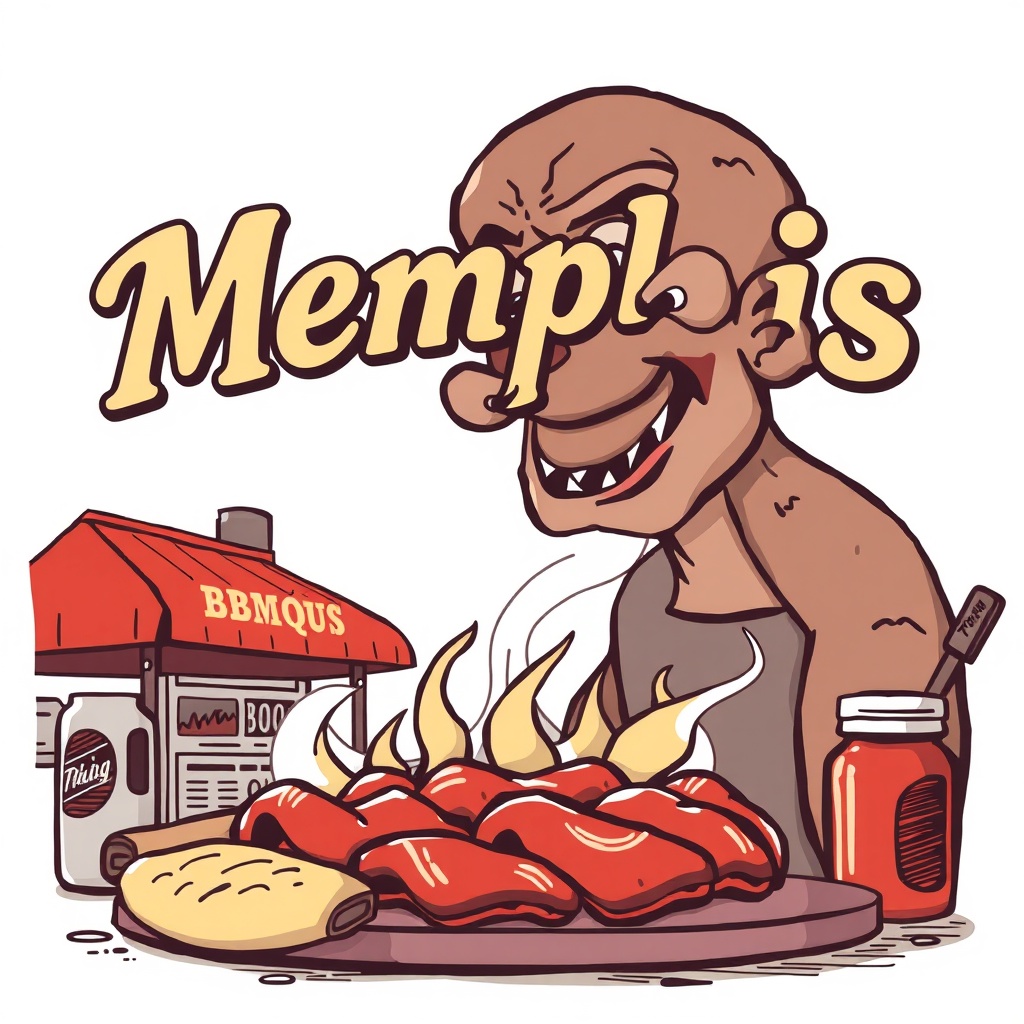
Visiting a neighborhood barbecue joint gives a taste of that communal, down-to-earth spirit.
Tips for better home barbecue
– Use a reliable thermometer; target internal temps, not clock time.
– Keep the smoker lid closed to maintain consistent heat and smoke.
– Avoid over-saucing early; apply sauces at the end for the best bark.
– Practice patience—smoke flavor deepens with time.
Memphis barbecue is as much about method and community as it is about taste. Explore a local joint, try a dry-versus-wet taste test, or fire up the smoker with a simple rub—each approach reveals a different facet of this beloved regional style.