
 Emma Jantzen
 Memphis Travel Guide: Music, Barbecue, and the Rising Riverfront
Memphis: Music, Barbecue, and a Riverfront on the Rise
Memphis is a city built on sound and smoke — where the pulse of blues, soul, and rock blends with the aroma of slow-smoked barbecue and the steady thrum of a major river port. For visitors and locals alike, the city offers a compact mix of cultural institutions, authentic dining, and neighborhoods that reward exploration.
Music that shaped a nation
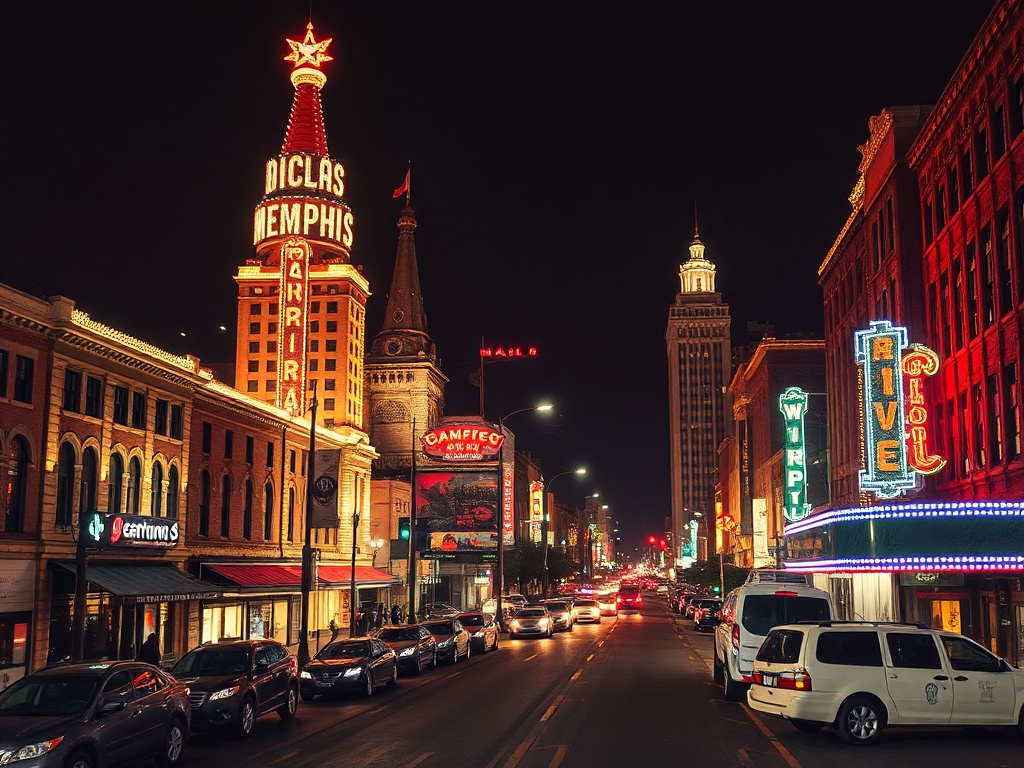
Beale Street remains the symbolic heart of Memphis nightlife, where live music pours out of clubs and neon signs light up a walkable stretch of historic venues.
Music history continues to come alive at studios and museums that celebrate the artists who helped shape American music.
From intimate listening rooms to larger concert halls, the live-music scene is active nightly, with local musicians and touring acts keeping Memphis’ musical legacy vibrant.
Barbecue worth planning for
Memphis barbecue is a reason many travelers plan a visit. The city’s signature style—slow-smoked pork with options of dry rub or sauce—is celebrated in competing family-run joints and modern smokehouses. Plate-focused restaurants serve ribs, pulled pork, and barbecue sandwiches alongside traditional Southern sides. Don’t skip late-night stops or neighborhood favorites; the best experiences often feel like local secrets passed by word of mouth.
Cultural institutions and civil rights history
Memphis is home to compelling museums that explore music, art, and the civil rights movement.
Exhibits use personal stories, artifacts, and multimedia to connect visitors with the social and cultural threads that define the city.
Cultural tours and walking routes provide context that deepens any visit beyond the attractions.
Neighborhoods to explore
– Downtown and Beale Street: Ideal for first-time visitors who want easy access to nightlife, riverfront parks, and major museums.
– Midtown and Cooper-Young: Known for thriving restaurant scenes, independent shops, and walkable streets lined with bungalows and local bars.
– Overton Square and Overton Park: Offer green space, a renowned zoo, and museums for family-friendly outings.
– Crosstown Concourse: A striking example of adaptive reuse, this mixed-use development combines shops, eateries, performance spaces, and creative offices in a repurposed building.
Riverfront and outdoor life
The Mississippi River shapes much of Memphis’ identity. Riverfront parks, walking paths, and paddleboat cruises offer a scenic way to experience the city’s waterfront. Urban green spaces, historic parks, and bike-friendly routes make it easy to combine culture with outdoor time.
Logistics, growth, and the modern economy
Memphis plays a major role in global logistics, with air and river freight contributing to a vibrant economy.
That position has encouraged investment and a steady influx of new restaurants, galleries, and venues that cater to a diverse population.
Practical tips for visiting
– Getting around: Rideshares and rental cars are convenient for exploring neighborhoods beyond downtown. Biking is pleasant in several districts with dedicated lanes and trails.
– Timing: Weekends tend to be livelier for nightlife and live music, while weekdays can be quieter for museum visits and restaurant reservations.
– Safety and local etiquette: Like any city, stay aware of your surroundings, keep valued items secure, and ask locals for neighborhood tips; they’ll often point you to the best off-the-beaten-path spots.
Memphis continues to evolve while keeping its core identity intact: a city where music, food, and history intersect. Whether you come for the sounds, the slow-smoked ribs, or a deeper cultural experience, Memphis offers memorable moments around every corner.