Emma Jantzen
 The Ultimate Gulf Seafood Guide: How to Choose, Buy, and Cook Sustainable Shrimp, Oysters & Fish
Gulf seafood is prized for bold flavors, diverse species, and a culinary heritage that blends coastal tradition with global appeal. From the sweet, delicate Gulf shrimp to briny oysters tied to coastal communities, Gulf-caught seafood offers options for every kitchen and palate. Understanding what makes Gulf seafood special—plus how to choose, prepare, and buy it responsibly—helps you enjoy the best from the sea.
What’s in the catch
The Gulf supports a wide range of popular species: shrimp, oysters, scallops, blue crab, red snapper, grouper, and various pelagic fish like mahi-mahi and cobia. Each brings distinct textures and flavor profiles. Shrimp deliver sweet, firm meat ideal for boils, sautés, and tacos. Oysters range from briny to buttery and shine raw on the half-shell or charred for a smoky finish. Firm white-fleshed fish like grouper and snapper stand up to grilling and blackening, while flaky fish are perfect for steaming or poaching.
Sustainability and environmental outlook
Sustainable harvesting is increasingly important for the Gulf’s long-term health. Concerns such as habitat loss, bycatch, hypoxic “dead” zones, and harmful algal blooms can affect fisheries and seafood safety. Many fisheries have improved management practices—gear modifications to reduce bycatch, reef restoration projects, and expanding shellfish aquaculture that filters water and rebuilds habitats. When choosing seafood, look for clear sourcing information and certifications where applicable, and support producers who prioritize traceability and responsible methods.
How to buy the best Gulf seafood
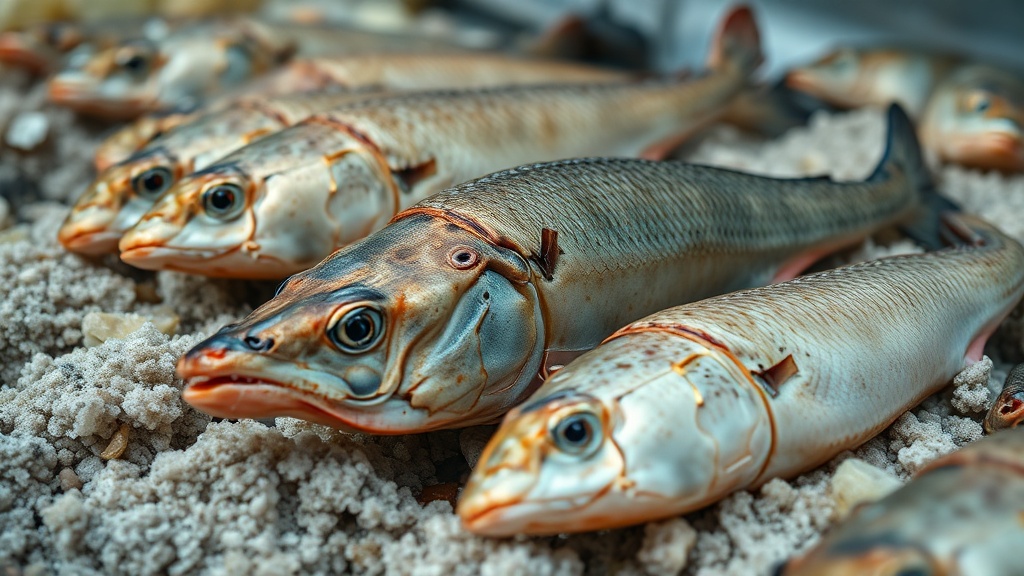
– Check freshness: Fish should smell like the sea, not fishy; eyes should be clear; flesh firm to the touch.
– For shrimp: choose dry-packed (not treated with phosphates) when possible for best texture.
– For oysters: closed shells indicate freshness. Tap any slightly open ones—if they don’t close, discard.
– Ask where it was caught or farmed; buying directly from local fish houses, co-ops, or farmers markets often ensures better traceability.
– Monitor local advisories: harmful algal blooms and water-quality issues can affect shellfish safety—check state seafood safety bulletins before consuming raw shellfish.
Cooking tips and recipe ideas
Gulf seafood shines with minimal fuss. Simple methods preserve natural flavors:
– Blackened red snapper or grouper with a spice rub and high-heat sear for a flavorful crust.
– Classic shrimp boil with corn and potatoes for communal dining.
– Oysters on the half-shell with mignonette, or baked with garlic butter and breadcrumbs.
– Light ceviche from firm fish, cured quickly in citrus for a fresh, bright appetizer.
– Snow crab or blue crab steamed and served with drawn butter and lemon.
Health benefits
Seafood is a nutritious source of lean protein, omega-3 fatty acids, vitamins, and minerals.
Regular consumption supports heart health and contributes to healthy brain function.
For vulnerable groups—pregnant people, young children, and those with certain health conditions—follow local guidance on safe seafood choices and portion sizes to balance benefits with exposure concerns like mercury.
Supporting local communities
Choosing Gulf seafood supports coastal economies and cultural traditions.
When possible, prioritize local suppliers who actively manage resources, participate in habitat restoration, and practice transparent sourcing. Community-supported fishery programs and local seafood festivals are great ways to connect with producers and learn more about sustainable choices.
Enjoying Gulf seafood responsibly enhances flavor and protects the ecosystems that sustain coastal livelihoods. With mindful buying, simple cooking, and attention to advisories, Gulf seafood can be a delicious, healthy, and sustainable part of the table.