
 Emma Jantzen
 Ultimate Carolina Lowcountry Travel Guide: Marshes, Gullah Culture & Coastal Cuisine
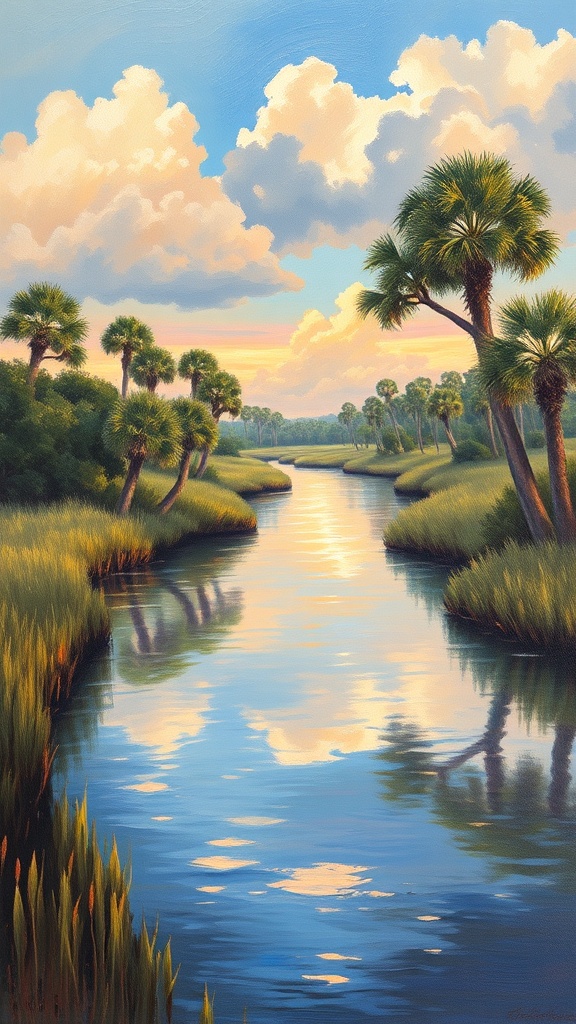
The Carolina Lowcountry is a unique coastal region where salt marshes, tidal creeks, moss-draped oaks, and historic sea islands create a landscape that feels both timeless and alive. Stretching from the fringes of the coast inward, this area blends natural wonder, rich cultural heritage, and a culinary scene that draws visitors and locals alike.
Landscape and wildlife
The Lowcountry’s defining features are its marshes and estuaries. These productive ecosystems filter water, capture carbon, and provide nursery habitat for shrimp, crabs, oysters, and countless fish species. Birdwatchers will find wading birds, migratory shorebirds, and raptors concentrated around tidal creeks and barrier islands. Paddle trails and guided boat tours are excellent ways to see bottlenose dolphins, herons, and the elusive marsh fox while minimizing disturbance to fragile habitats.
Cultural heritage
The Gullah Geechee culture, rooted in West African traditions, remains a vital part of the Lowcountry’s identity. Gullah communities maintain distinct dialects, crafts, storytelling, and sweetgrass basket weaving—an art form recognized for its beauty and cultural significance. Visiting local markets, community-based museums, and cultural centers provides a respectful way to learn about this heritage and support the artisans who preserve it.
Historic towns and architecture
Historic towns like Charleston, Beaufort, and smaller sea island settlements showcase colonial and antebellum architecture, from single houses with side piazzas to well-preserved public squares. Walking tours reveal layers of history—maritime commerce, plantation landscapes, and the living stories of the people who shaped the region. Preservation efforts aim to protect these places while adapting them for modern use.
Culinary scene
Lowcountry cuisine highlights fresh, local seafood and coastal produce.
Lowcountry boil, shrimp and grits, fried soft-shell crabs, and raw oysters are staples. Restaurants ranging from humble fish houses to upscale kitchens emphasize seasonality and sustainable sourcing. Farmers’ markets and waterfront fishmongers are great places to connect directly with producers and taste the region’s flavors.
Outdoor activities and responsible tourism
The Lowcountry is ideal for kayaking, paddleboarding, cycling, fishing, and eco-tours. Barrier islands and nature preserves offer opportunities for beachcombing, birding, and photography away from crowded spots.
Responsible tourism practices—staying on marked trails, respecting nesting areas, and supporting local guides—help keep ecosystems healthy and communities thriving.
Conservation and climate resilience
Like many coastal regions, the Lowcountry faces challenges from coastal erosion, storm surge, and rising tides. Local organizations, municipalities, and land trusts are investing in marsh restoration, oyster reef rebuilding, and living shorelines to reduce erosion and improve water quality.
Community-led planning emphasizes resilient building practices, wetland protection, and managed retreat in vulnerable areas. Supporting conservation groups and choosing low-impact recreation are practical ways to contribute to these efforts.
Travel tips
– Pack layers and sun protection—coastal weather can shift quickly.
– Bring insect repellent for marshy areas and respectful footwear for walking soft sand and boardwalks.
– Look for community-operated tours and certified guides to gain deeper insight and ensure your visit benefits local economies.
– Be mindful of private properties and culturally sensitive sites; many historic landscapes are still lived-in communities.
The Carolina Lowcountry offers a blend of natural beauty, living culture, and coastal cuisine that rewards slow, curious travel. Whether you’re exploring tidal creeks by kayak, learning basket-weaving techniques from a local artisan, or savoring the day’s catch, the Lowcountry invites visitors to experience its rhythms while helping protect the landscapes and traditions that make it special.