
 Emma Jantzen
 Why Magnolias Are a Top Pick for Every Landscape: Varieties, Planting & Care
Why magnolias remain a top pick for landscapes
Magnolia trees offer dramatic, fragrant blooms, bold foliage and strong architectural form, making them a standout choice for gardens large and small. Whether you want a compact, fragrant specimen for a courtyard or a tall evergreen for a street, there’s a magnolia variety suited to nearly every landscape need.
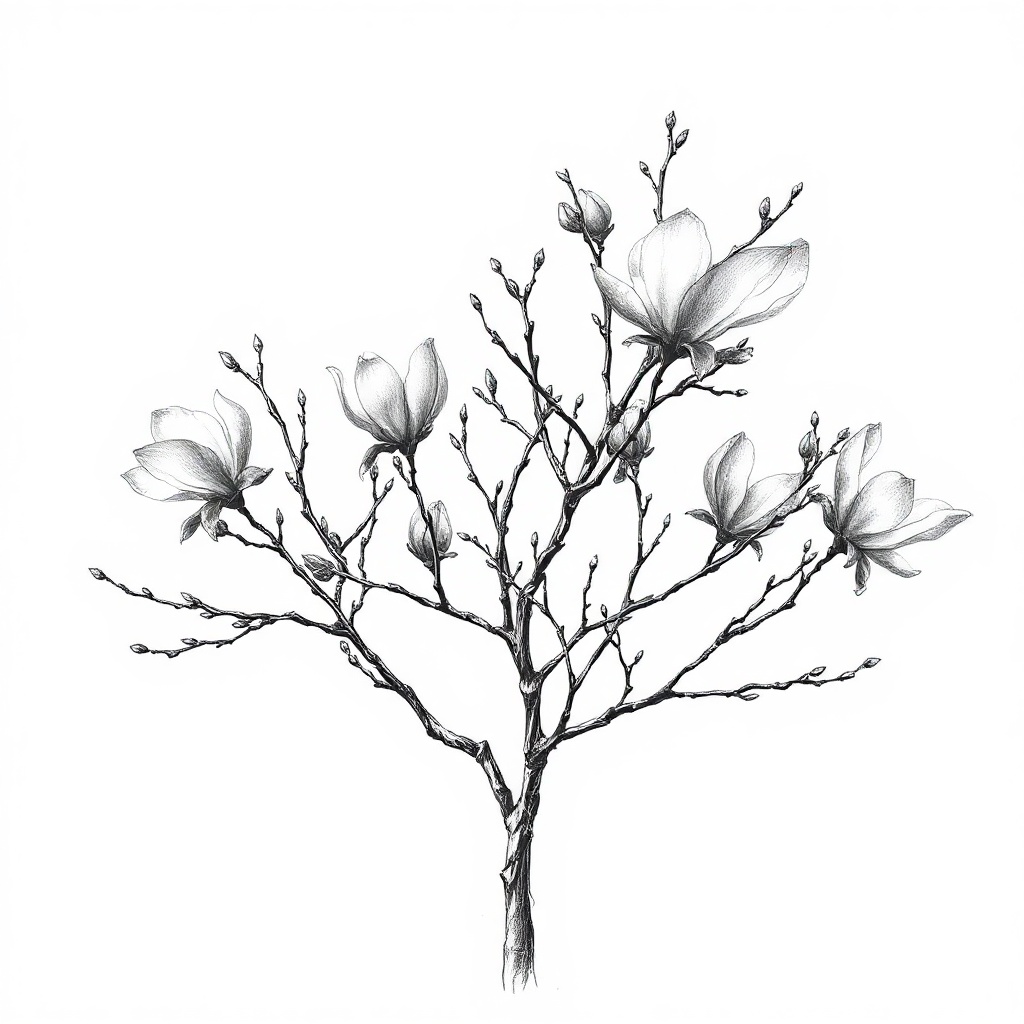
Choosing the right magnolia
– Evergreen vs. deciduous: Evergreens like southern magnolia hold glossy leaves year-round and work well as privacy screens.
Deciduous types such as saucer and star magnolias produce spectacular spring flowers and allow winter light through.
– Size matters: Varieties range from dwarf shrubs under 8 feet to towering trees over 60 feet. Measure mature height and spread before planting to avoid future pruning hassles.
– Cold and heat tolerance: Some magnolias handle cooler climates and late-spring frosts better, while others thrive in warm, humid conditions. Check your local nursery for cultivars adapted to your area.
Planting and soil
Magnolias prefer rich, well-draining soil with a slightly acidic to neutral pH. Planting depth is important: set the root flare at or slightly above soil level to prevent crown rot. Space trees wide enough for mature crowns, and avoid planting too close to buildings or utility lines.
Mulching and watering
Apply a 2–3 inch layer of organic mulch (shredded bark or compost) around the root zone, keeping mulch a few inches away from the trunk to reduce rot risk. Magnolia roots are relatively shallow; mulch helps retain moisture and stabilize soil temperature. Water deeply and infrequently during establishment—weekly soaking is better than daily shallow watering. Mature magnolias are drought-tolerant once established but will perform best with consistent moisture during dry spells.
Pruning and maintenance
Prune magnolias sparingly. For most flowering types, prune immediately after blooms fade to preserve next season’s flower buds. Remove dead, crossing or rubbing branches to maintain structure. Avoid heavy late-season pruning, which can reduce blooms and expose new growth to winter damage.
For formal hedging or topiary, select cultivars that tolerate shaping.
Pests and diseases
Common issues include scale insects, aphids and localized fungal problems.
Scale can be managed with horticultural oil when populations are low; heavier infestations may require targeted treatments.
Good cultural care—proper watering, mulching and site selection—reduces disease susceptibility.
Leaf scorch from heat and reflected sun can be mitigated with afternoon shade and adequate irrigation.
Pollination and ecology
Magnolia flowers are often pollinated by beetles rather than bees, and their large, bowl-shaped blooms evolved before bees became common pollinators. The copious pollen and nectar support a range of insects and, when planted in groups, magnolias can enhance local biodiversity.
Cut magnolia blooms add a refined, fragrant touch to indoor arrangements and are long-lived when conditioned properly.
Propagation and buying tips
Magnolias can be grown from seed, cuttings or grafted nursery stock.
Seed-grown trees may take longer to bloom and can differ from parent plants; grafted trees ensure true-to-type characteristics and predictable size.
When buying, inspect roots for circling or bound roots in containers, and choose specimens with healthy bark and no obvious pest damage.
Final thoughts
Select a magnolia that fits your space and climate, prioritize proper planting depth and mulch, and prune at the right time to keep blooms abundant. With minimal routine care, magnolias reward patience with timeless beauty and memorable fragrance that elevate any landscape.