
 Emma Jantzen
 Exploring Bayou Life: A Practical Guide to Wildlife, Cajun Culture, Kayaking, and Wetland Conservation
Bayou life blends slow-moving water, lush marshes, and a resilient culture shaped by generations who live with the ebb and flow of wetlands. Whether exploring by kayak, learning a family gumbo recipe, or watching an egret hunt at dusk, the bayou offers a sensory-rich experience that connects people to place and to the natural rhythms of water and wildlife.
Ecosystem and wildlife
Bayous are vital wetland systems that act as natural filters and storm buffers.
Tall grasses, cypress knees, and submerged roots trap sediment and absorb nutrients, improving water quality for downstream estuaries.
These habitats support a remarkable range of wildlife: herons and egrets stalk the shallows, turtles bask on logs, and marshes serve as nurseries for fish and crustaceans. Nighttime reveals a different cast—frogs calling, raccoons rummaging the banks, and the occasional splash of a foraging otter. Observing this diversity reveals how interconnected species are and why conserving wetlands benefits both biodiversity and nearby communities.
Cajun and Creole culture
Bayou communities have shaped a distinctive cultural identity rooted in food, music, and language. Classic dishes—gumbo, jambalaya, and boiled crawfish—reflect a blend of French, African, Spanish, and Indigenous influences, each relying on locally sourced ingredients that highlight the bayou’s bounty. Zydeco and swamp pop provide soundtrack to life along the water: accordion-driven rhythms and danceable beats that bring neighbors together at community halls and outdoor gatherings. Respect for the land and traditions runs deep, with many families passing down recipes, stories, and stewardship practices through generations.
Activities and how to enjoy the bayou responsibly
Kayaking or canoeing offers a quiet way to move through narrow channels and get close to wildlife without disturbing habitats. Birdwatching and photography reward patience—slow movement, soft colors, and minimal noise increase chances of memorable sightings. Fishing and crabbing are popular pastimes, but it’s important to follow local regulations and harvest sustainably. Foragers should be cautious: some species require permits or specific handling, and water quality can affect safety.
Safety and etiquette
Wetland environments demand respect. Wear insect repellent and long sleeves during warm months, use sturdy footwear, and bring a personal flotation device when on open water.
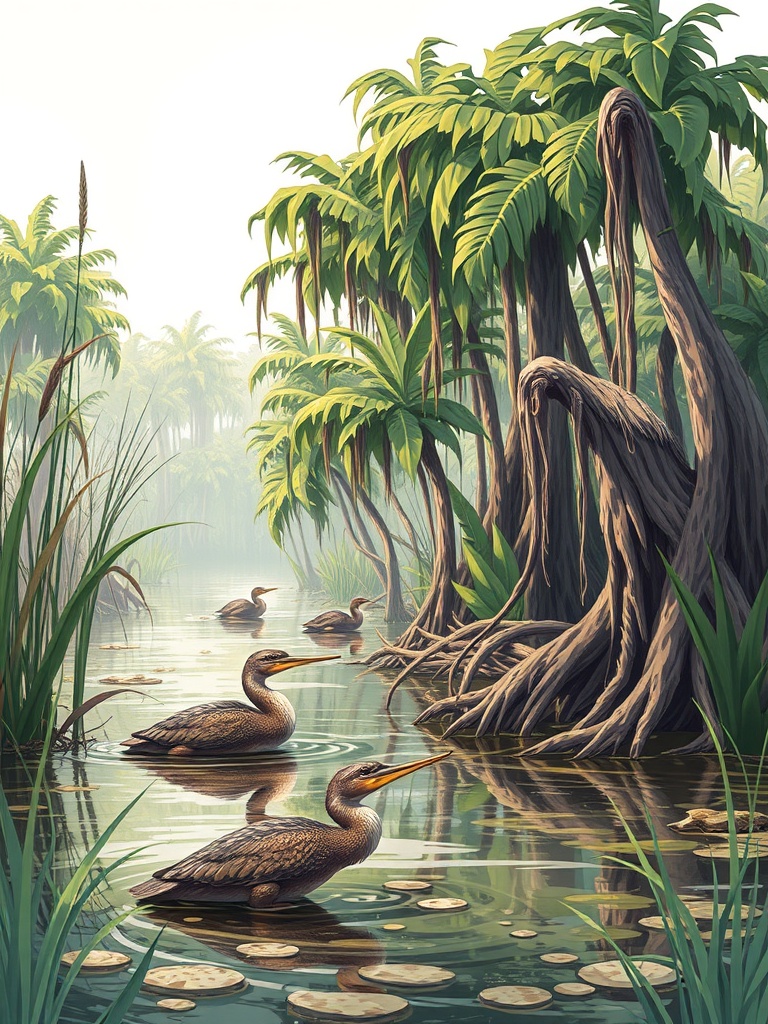
Avoid feeding wildlife, never release pets or nonnative species, and steer clear of fragile marsh grasses and nesting areas.
Leave no trace by packing out trash and minimizing impacts on plant and animal life.
Conservation and stewardship
Bayou health faces pressures from development, pollution, invasive species, and shifting water levels. Community-led restoration projects—marsh plantings, shoreline stabilization, and water quality monitoring—make tangible differences. Supporting local conservation groups, choosing seafood that’s harvested sustainably, and advocating for policies that protect wetlands are practical ways to help. Education plays a key role: learning about local species, cultural history, and habitat needs strengthens long-term stewardship.
Experiencing the bayou
The appeal of bayou life lies in its balance of quiet and vitality: the slow current, the chorus of wildlife, the smell of simmering spices at a neighbor’s table. Approaching this landscape with curiosity and respect deepens appreciation and helps ensure that these rich ecosystems and vibrant communities endure for those who follow.