
 Emma Jantzen
 Bayou Guide: Wildlife, Cajun Food, Kayaking & Conservation
Bayou life blends slow-moving water, dense marshes, and a culture shaped by the rhythms of tide and season.
For visitors and locals alike, the bayou offers a mix of wildlife viewing, hands-on fishing, and culinary traditions that feel both ancient and vital. Whether you’re paddling through cypress knees or sampling a gumbo at a roadside shack, the bayou rewards patience and curiosity.
What makes the bayou unique
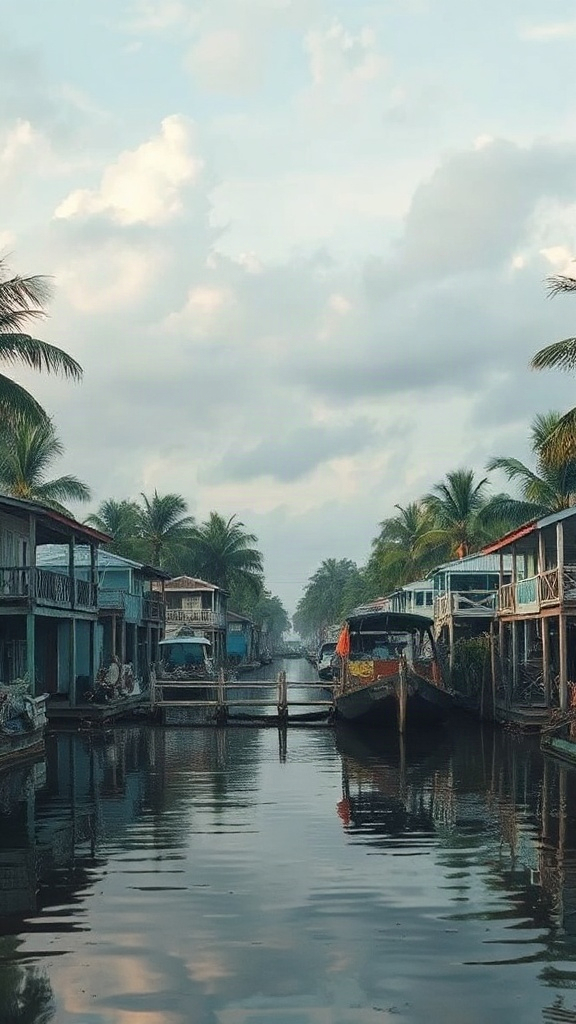
At its core, the bayou is a living transition between freshwater and coastal ecosystems. Tangled root systems, floating marshes, and shallow channels create habitat for birds, fish, crustaceans, and reptiles. Bald cypress and tupelo trees draped in Spanish moss create the classic swamp silhouette, while emergent grasses and oyster reefs stabilize shorelines and filter water.
Wildlife to watch for
Birding is a major draw: herons, egrets, ibises, and migratory songbirds are common sights. Raptors such as osprey patrol the waterways, and secretive marsh birds reveal themselves at dawn and dusk. Anglers find opportunities for largemouth bass, catfish, redfish, and speckled trout depending on salinity and location. Alligators are a bayou hallmark; they’re best admired from a safe distance. Turtles, frogs, and a variety of freshwater mussels round out the rich tapestry of life.
Cultural and culinary connections
Bayou communities have long fed on what the wetlands provide. Creole and Cajun cooking—gumbo, étouffée, boudin, and fried catfish—reflects deep knowledge of local species and seasonality. Music and storytelling are woven into daily life: accordion-driven zydeco and soulful blues complement festive gatherings and small-town markets selling locally caught seafood and hand-crafted goods.
Activities and practical tips
– Kayaking and paddling: Quiet boats give the best wildlife access.
Choose a low-profile kayak, bring a dry bag, and plan for slow travel—wildlife reacts to noise and rapid movement.
– Guided swamp tours: Local guides offer safety, interpretation, and the chance to learn about hidden channels and cultural history. Prioritize operators who follow ethical wildlife viewing practices.
– Fishing and crabbing: Check local regulations on limits and seasons, use barbless hooks where required, and handle fish carefully if practicing catch-and-release.
– Photography: Early morning and late afternoon provide softer light and more active wildlife. Use long lenses and stay mindful of your wake when shooting from small craft.
Safety and etiquette
Respect for the environment keeps bayou life accessible and healthy. Always wear a life jacket, watch for submerged hazards, and store food securely to avoid attracting wildlife.
Never feed wild animals; that alters behavior and increases risk.
Keep pets leashed near water and stay aware of changing weather and water levels.
Supporting conservation and communities
Bayou regions face pressures from coastal erosion, saltwater intrusion, invasive species, and development. Supporting local conservation groups, buying local seafood and crafts, and choosing low-impact tours helps sustain both ecosystems and livelihoods. Volunteer opportunities range from shoreline planting and oyster reef restoration to community science projects that monitor water quality and wildlife.
Visiting the bayou is a chance to slow down and reconnect with a richly textured landscape. With thoughtful planning, respectful behavior, and an openness to learn from local stewards, a bayou trip can be a rewarding mix of adventure, culture, and nature appreciation.