
 Emma Jantzen
 A Complete Landscape Guide
Magnolia Trees: A Guide to Selection, Care, and Landscape Use
Magnolia trees are valued for dramatic flowers, glossy foliage, and an ancient botanical heritage that makes them standout specimens in many landscapes.
Whether you’re drawn to towering evergreens or compact deciduous varieties with early spring blooms, magnolias offer striking color, fragrance, and year-round structure.
Why gardeners choose magnolias
– Big, showy flowers: From cup-shaped saucer blooms to star-shaped and tulip-like blossoms, magnolia flowers range from pure white to deep pink and fragrant cream.
– Evergreen and deciduous options: You can select an evergreen profile for winter screening or a deciduous form for seasonal drama and spring floral impact.
– Wildlife value: Flowers attract beetles and other insects; seeds and structure provide interest for birds later in the season.
– Timeless appeal: Magnolias have a classical look that complements formal and cottage gardens alike.
Popular types and selecting the right tree
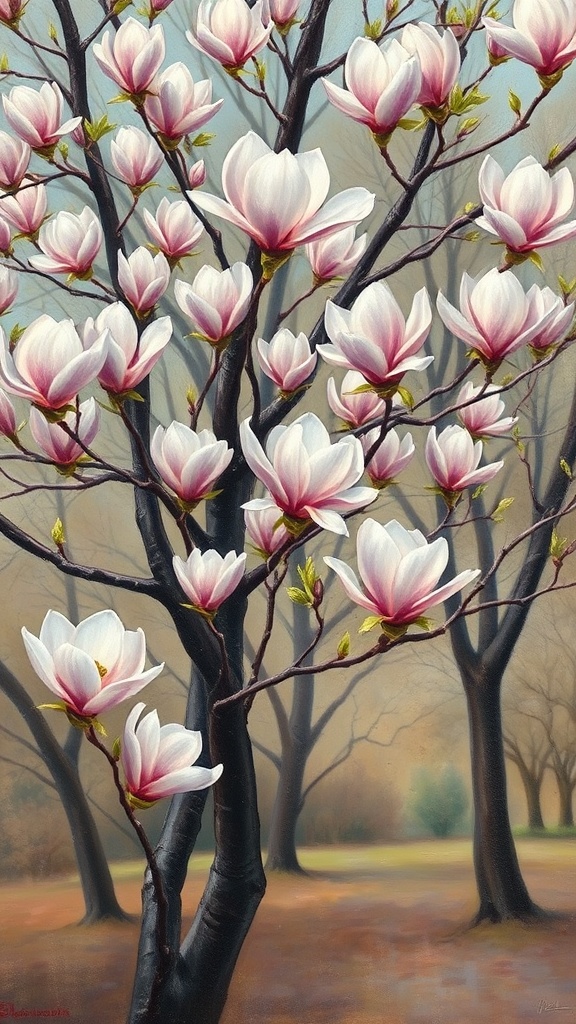
– Southern magnolia (large evergreen): Good for warm climates, glossy leaves, large white flowers.
– Saucer and tulip magnolias (deciduous): Known for spectacular spring display; best in gardens where late frost risk is low.
– Star magnolia (compact, early bloomer): Great for small yards or near patios.
– Dwarf and hybrid cultivars: A range of compact varieties suits containers or smaller landscapes.
Planting and site considerations
– Light: Most magnolias prefer full sun to light shade. In hot climates, afternoon shade helps prevent leaf scorch.
– Soil: They thrive in rich, slightly acidic, well-drained soil.
Heavy clay benefits from raised beds or substantial organic matter to improve drainage.
– Space: Allow room for mature spread—some species reach formidable width. Plant with future size in mind.
– Mulch and water: Apply a 2–4 inch mulch ring, keeping it off the trunk.
Water regularly during the first two growing seasons to establish a deep, stable root system.
Pruning and timing
– Minimize heavy pruning; magnolias do not respond well to severe cuts.
– For spring-flowering deciduous magnolias, prune immediately after bloom because flowers form on previous-year wood.
– Evergreen magnolias can be lightly shaped in late winter or early spring. Remove dead or crossing branches anytime.
– Use clean tools and make cuts just outside the branch collar to promote healing.
Pests, diseases, and management
– Common issues include scale insects, aphids, and occasional fungal leaf spots. Monitor foliage and treat outbreaks early with horticultural oil or insecticidal soap.
– Poor drainage invites root problems; improve soil structure and avoid overwatering.
– Regular inspection, proper siting, and good sanitation (removing fallen, diseased leaves) reduce most problems.
Propagation and landscape uses
– Propagation can be by seed, cuttings, grafting, or layering; cultivars are usually grafted to preserve traits.
– Use magnolias as focal specimens, street trees where roots won’t disrupt sidewalks, or paired with spring bulbs and shade-tolerant perennials beneath for layered interest.
– Compact cultivars fit patios and small urban plots, while larger species make memorable entries or screens.
Magnolias reward patience with memorable blooms and lasting presence.
Choose a cultivar suited to your climate and site conditions, give it well-prepared soil and steady moisture during establishment, and enjoy a dramatic focal point that elevates any garden palette.