
 Emma Jantzen
 Bayou Life: A Visitor’s Guide to Wildlife, Culture, Cuisine, and Conservation
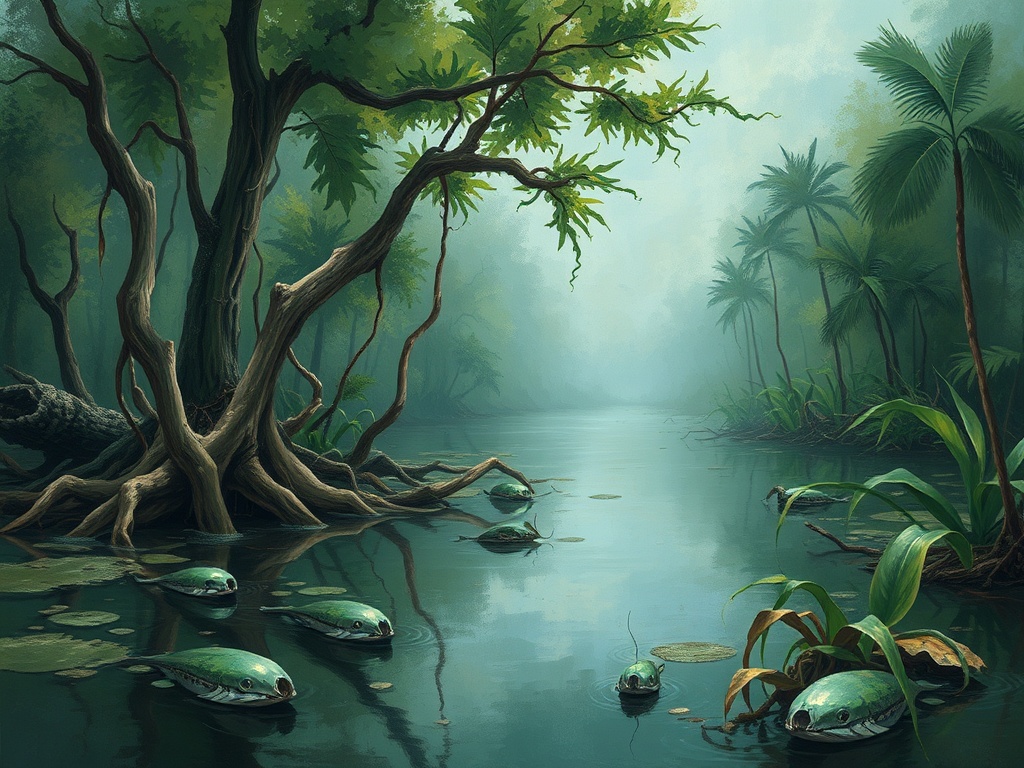
Mist rises off the water, Spanish moss drapes like curtains from ancient cypress, and the low hum of frogs and insects becomes a soundtrack for slow, observant living. Bayou life is equal parts ecosystem, culture, and weekend refuge — a world where tides, seasons, and human stories intertwine. For visitors and locals alike, the bayou offers a chance to slow down, learn, and participate in conservation-minded recreation.
What makes the bayou unique
Bayous are slow-moving waterways that thread through coastal wetlands, often lined with cypress and tupelo trees. These habitats support rich biodiversity: herons and egrets hunt the shallows, otters play in hidden channels, and freshwater fish and crustaceans sustain local fisheries. That same productivity makes wetlands vital as natural filters and buffers — they trap sediment, absorb floodwaters, and help protect inland communities.
Culture and cuisine
Bayou life carries a strong cultural identity shaped by generations of people who rely on the water for food, transportation, and celebration. Local markets and roadside stalls often feature fresh catches: oysters, shrimp, and crawfish — staples of regional cooking. Classic dishes built around these ingredients, from gumbo to étouffée, are best appreciated with knowledge of sourcing and seasonality. Supporting small fishers and sustainable harvest practices helps preserve both culinary traditions and the bayou’s ecological health.
Responsible recreation
Exploring the bayou is most rewarding when it’s done with respect and preparation. Popular activities include canoeing and kayaking through narrow channels, guided boat tours that highlight wildlife and history, birdwatching, and catch-and-release fishing. To protect the habitat and stay safe:
– Go early or late: wildlife is most active around dawn and dusk.
– Wear a life jacket and bring a whistle or signaling device.
– Use quiet, low-impact craft (canoes or kayaks) to avoid disturbing wildlife.
– Keep a safe distance from alligators and nesting birds; never feed wildlife.
– Stay on public waterways and heed private property signs.
Conservation and threats
Healthy bayous face mounting pressures. Development, pollution from runoff, invasive plants like water hyacinth, and non-native animals such as nutria can degrade habitat and reduce biodiversity. Saltwater intrusion and changing weather patterns also alter freshwater-saltwater balances, stressing marshes and cypress stands. Community-led restoration efforts — marsh planting, oyster reef rebuilding, and controlled burn programs — are central to maintaining resilience.
Volunteering for shoreline cleanups, supporting restoration nonprofits, or choosing businesses that prioritize sustainability are practical ways to contribute.
Tips for first-time visitors
Pack light, breathable clothing and insect repellent. Binoculars and a camera with a zoom lens will let you enjoy wildlife from a respectful distance. Waterproof bags protect phones and gear from splashes, while reusable water bottles reduce plastic waste. If you’re unsure about local regulations or sensitive areas, book a guided tour; local guides offer both safety and deeper context.
Keeping bayou life thriving
Bayou life depends on shared stewardship. Whether you’re a longtime resident or passing through, choices about consumption, disposal, and support for local economies matter. Sourcing seafood from responsible harvests, minimizing chemical runoff from yards, and learning from local communities are small actions with outsized impact. Visiting the bayou is more than a scenic escape — it’s an invitation to connect with a living landscape and help keep it healthy for the next generation of storytellers, fishers, and walkers along the water.