
 Emma Jantzen
 Gulf Beaches Guide: What Makes Them Special and How to Enjoy Them Responsibly
Gulf Beaches: What Makes Them Special and How to Enjoy Them Responsibly
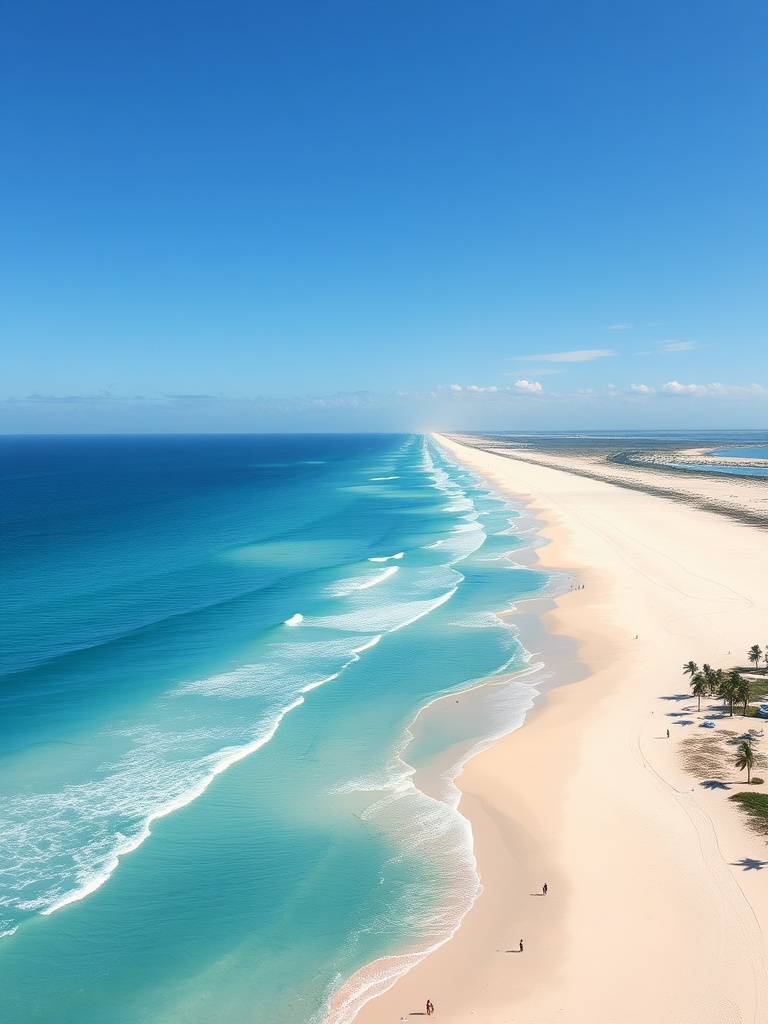
Gulf beaches are famous for sugar-white sand, warm, shallow water, and calm waves that make them ideal for families, shell collectors, and water-sport enthusiasts. Stretching along a broad coastline, these beaches combine easy access with diverse coastal habitats — from barrier islands and dunes to seagrass beds and tidal marshes — supporting a rich mix of birds, fish, and sea turtles.
Why people love Gulf beaches
– Gentle surf and warm water: The typically mild waves make swimming, paddleboarding, and wading comfortable for all ages. Shallow shorelines also warm quickly, so the water feels pleasant even on cooler days.
– Scenic shorelines: Broad sandy beaches offer long walks, sunset views, and prime spots for beachcombing. Shelling can be excellent after storms expose new treasures along the surf line.
– Wildlife viewing: Barrier islands host nesting sea turtles and migratory shorebirds. In nearshore waters, look for dolphins, rays, and schools of baitfish driving feeding birds into spectacular displays.
– Accessible coastal towns: Many Gulf beach communities balance laid-back charm with restaurants, fishing piers, and family-friendly amenities like playgrounds and boardwalks.
Current challenges and conservation
Gulf beaches face ongoing pressures from coastal development, erosion, and pollution. Coastal erosion and rising seas are reshaping shorelines, prompting projects such as beach nourishment, dune restoration, and living shorelines that add natural barriers while protecting habitats. Harmful algal blooms occasionally affect water quality and marine life — checking local health advisories before visiting helps avoid exposure.
Conservation efforts include protecting nesting sea turtles through dark-sky practices and nest monitoring, restoring dune vegetation to stabilize sand, and limiting vehicle access to sensitive areas.
Community beach cleanups and microplastic reduction initiatives are increasingly common along the coast.
How to enjoy Gulf beaches responsibly
– Check local advisories: Confirm water quality, marine life alerts, and lifeguard status before entering the water.
– Swim near lifeguards and obey flags: Rip currents can occur even on generally calm shores. If caught in a rip, swim parallel to shore until free, then head back.
– Pack reef-safe sunscreen and a reusable water bottle: Protect your skin without harming sea life.
Staying hydrated is essential in coastal heat and sun.
– Respect wildlife and nests: Keep a safe distance from sea turtles, shorebirds, and seals. Avoid using bright lights at night on nesting beaches and fill in any holes dug in the sand to prevent hazards to wildlife.
– Follow shelling etiquette: Remove only empty shells. Living organisms and microhabitats deserve protection; some areas prohibit collecting certain shells or artifacts.
– Minimize plastic and waste: Take all trash with you or use provided receptacles. Participate in local cleanups when possible.
– Stay on designated paths: Use boardwalks and marked trails to protect fragile dune vegetation and reduce erosion.
Activities worth trying
– Kayaking and stand-up paddleboarding through estuaries and calm bays
– Nearshore fishing for a variety of species from piers or charter boats
– Birdwatching along migratory corridors and salt marsh edges
– Scenic drives and coastal bike rides along shore-parks and promenades
A visit to Gulf beaches can be restorative and inspiring when balanced with thoughtful stewardship. By checking advisories, following local rules, and leaving the shoreline cleaner than it was found, every beachgoer helps protect these coastal treasures for future visits.