
 Emma Jantzen
 Bayou Life: Slow Water, Rich Culture, and the Fight to Save Wetlands
Bayou Life: Slow Water, Rich Culture, and the Work of Keeping Wetlands Alive
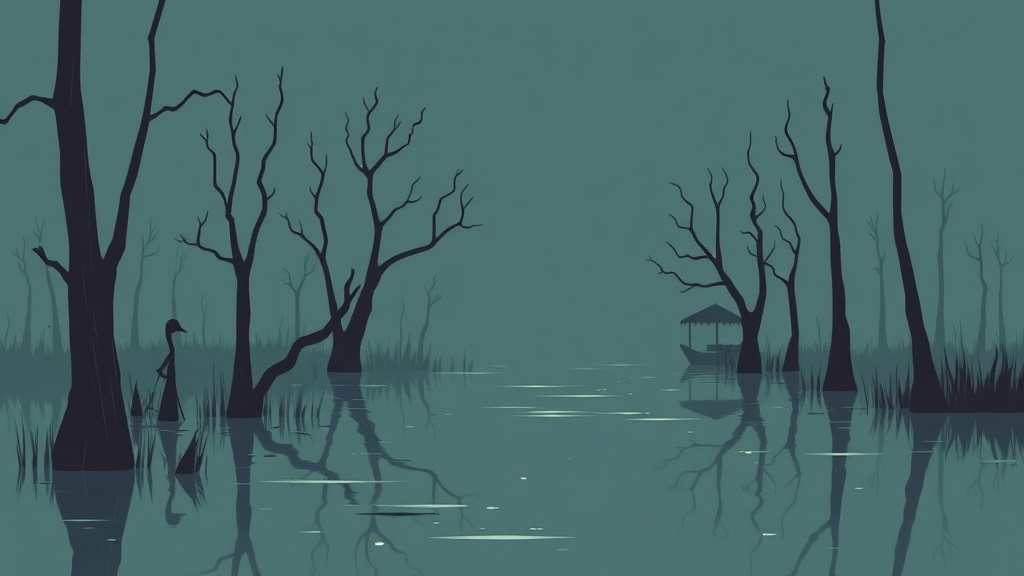
The bayou is more than a landscape — it’s a way of life shaped by slow-moving water, thick cypress trees, and a resilient community built around the rhythms of the tide. From the muffled calls of birds at dawn to the smell of gumbo simmering on a back porch, bayou life blends ecosystem, economy, and tradition into a distinct cultural tapestry.
Ecosystem and wildlife
Bayous are shallow, slow-flowing waterways that feed coastal wetlands and support abundant biodiversity. Bald cypress and tupelo gum provide perches for herons and egrets while submerged aquatic plants shelter fish and crustaceans. Alligators, otters, turtles, and a variety of freshwater fish are part of a balanced food web that sustains local fishing and recreational activities. Wetlands act as natural buffers, absorbing storm surge and filtering pollutants, which makes their health critical for both wildlife and human communities.
Culture and cuisine
Local culture revolves around the bayou’s resources. Fishing, crabbing, and trapping traditions pass from generation to generation, often accompanied by storytelling in French, English, or regional dialects.
Music — from zydeco to Cajun — echoes the landscape, with fiddles and accordions keeping time with rowboats and shrimpers. Food is central: simple, resourceful recipes highlight what the bayou provides.
Dishes like gumbo, jambalaya, and boiled crawfish reflect seasonal harvests and communal gatherings, where pots are shared and recipes are perfected over long afternoons.
Daily life and livelihoods
Boats are the daily commute for many who live near the water.
Pirogues and skiffs navigate narrow channels, while larger vessels head out to open marshes.
Industries such as fishing, shrimping, and ecotourism offer livelihoods but also depend on healthy waterways.
Small-scale farmers, artisans, and guide services contribute to a resilient local economy rooted in place-based knowledge.
Recreation and ways to experience the bayou
– Kayaking or canoeing narrow channels for quiet wildlife viewing
– Guided swamp tours to learn about ecology and folklore
– Fishing excursions for bass, catfish, or redfish
– Attending local music nights or community seafood boils
– Birdwatching at dawn, when the bayou is most active
Challenges and stewardship
Bayou communities face ongoing environmental pressures. Habitat loss, changes in freshwater flow, invasive species, and pollution can alter water quality and wildlife populations. Coastal erosion and saltwater intrusion threaten the balance that supports both nature and human life. Conservation efforts, volunteer programs, and local stewardship initiatives work to restore marshes, protect native species, and advocate for sustainable water management. Supporting these efforts — through responsible tourism, habitat restoration donations, and community engagement — helps preserve the bayou’s ecological and cultural richness.
Practical tips for visitors
Respect private property and local customs. Use designated guides when exploring fragile areas. Pack out what you bring in, use biodegradable products near the water, and follow catch-and-release guidelines where advised.
A pair of waterproof boots, insect repellent, and a good camera or binoculars will enhance the experience.
The bayou’s appeal lies in its slow tempo and layered complexity: a living system where water shapes daily routines, food, music, and memory.
Protecting that legacy requires both local knowledge and wider awareness, so future generations can continue to know the sound of a paddle slicing quiet water and the communal warmth of a shared meal on a bayou porch.