
 Emma Jantzen
 How to Grow Magnolia Trees: Varieties, Planting, Watering, Pruning & Design Tips
Magnolia trees are a timeless landscape favorite: dramatic flowers, glossy foliage, and a presence that suits urban streets, cottage gardens, and grand estates alike. Whether you want an evergreen focal point or a compact spring-blooming shrub, there’s a magnolia to match most sites and design goals.
Varieties and growth habits
Magnolias range from small, multi-stem shrubs to tall canopy trees.
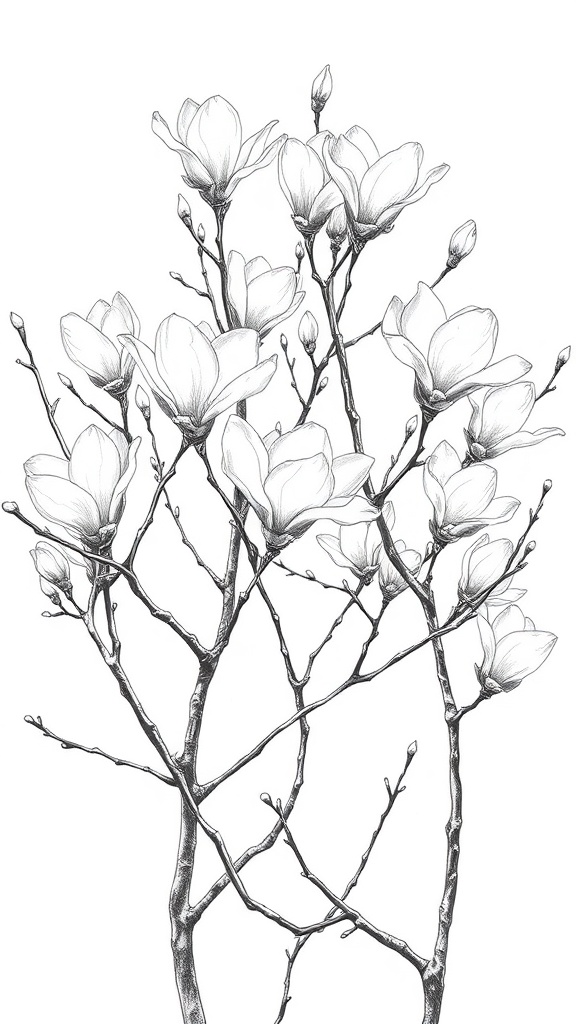
Evergreen types such as southern magnolias bring year-round structure with large, leathery leaves and huge, fragrant white blooms. Deciduous types—like saucer, star, and tulip magnolias—produce showy cup-shaped flowers that often appear before the leaves, creating a spectacular early-season display. Dwarf cultivars are available for patios and small yards, while vigorous species can become magnificent lawn specimens when given space.
Planting and site selection
Choose a site with good air circulation and protection from harsh late frosts that can damage emerging buds on spring bloomers. Most magnolias prefer full sun to partial shade; full sun generally promotes the most abundant flowering, while partial shade helps in hotter climates.
Soil should be well-drained but moisture-retentive and slightly acidic to neutral.
Avoid planting too deeply—set the root ball so its top sits level with surrounding soil. Apply a 2–3 inch layer of organic mulch, keeping it pulled back a few inches from the trunk to prevent collar rot.
Watering and feeding
Newly planted magnolias need consistent moisture while their root system establishes—deep, infrequent watering encourages a strong root network. Once mature, many species tolerate short dry spells, though evergreen magnolias often perform best with steady moisture through hot, dry periods. Fertilize lightly with a balanced, slow-release formula during the active growth period if plants show poor vigor or pale leaves; over-fertilizing can reduce flowering and encourage weak, succulent growth.
Pruning and maintenance
Minimal pruning is usually required. For spring-flowering magnolias, prune right after bloom to avoid removing next season’s flower buds. Evergreens are best pruned in late dormant season or whenever you need to remove dead or crossing branches. Keep cuts clean and avoid heavy heading that ruins the natural form.
Remove suckers and water sprouts promptly. When transplanting, prune the canopy to balance root loss and reduce stress.
Pests, diseases, and common problems
Magnolia scale can be an occasional issue—look for sticky honeydew and sooty mold. Good cultural care, timely pruning to improve airflow, and horticultural oils during dormant periods help manage scale. Poor drainage increases risk of root rot; planting on slight rises or amending heavy soils with organic material improves root health. Leaf spot and powdery mildew may appear in humid conditions but rarely kill healthy trees.
Deer may browse young shoots in some regions, so protect vulnerable plants until they establish.
Propagation and buying tips
Nursery-bought, grafted trees give predictable flower color and form. Propagation by seed yields genetic variability and takes longer to flower; cuttings, layering, and grafting are common for maintaining particular cultivars. When selecting a specimen, look for a straight trunk, well-spaced branches, and vibrant foliage free of pests.
Design uses
Use a magnolia as a single specimen for maximum impact, or group smaller cultivars as a mixed hedge. Their dramatic blooms and glossy leaves make magnolias excellent near entranceways, along driveways, or as a backdrop to mixed borders. Fragrant varieties are superb near patios, windows, or outdoor seating to enjoy scent up close.
A little attention to site, soil, and watering rewards gardeners with years of glorious blooms and sculptural beauty. Start with the right species for your climate and give it a good home—magnolias will repay patience with stunning, season-defining presence.