
 Emma Jantzen
 Cajun Cooking for Beginners: Master the Holy Trinity, Roux, and Classic One-Pot Recipes
Cajun cooking celebrates bold flavors, simple techniques, and a deep connection to regional ingredients. Rooted in rustic, one-pot meals made by families and fishermen, it’s prized for hearty stews, spicy rice dishes, and richly seasoned meats. Whether you’re building confidence in the kitchen or refining classic recipes, understanding a few core principles unlocks authentic Cajun flavor.
Core components that define the cuisine
– The holy trinity: onions, bell peppers, and celery form the aromatic backbone of most Cajun dishes.
Dice them uniformly and cook slowly to build depth.
– Roux: a cooked blend of fat and flour that thickens and flavors sauces. A light roux cooks for a short time and offers a nutty base; a darker roux, cooked slowly until chocolate or peanut-butter color, adds toasty complexity.
Patience is key—keep heat moderate and stir constantly to avoid burning.
– Seasoning: Cajun seasoning balances paprika, cayenne, garlic and onion powders, black pepper, oregano, and thyme. Adjust spice levels to taste; layering spices during cooking produces more nuanced heat than a single heavy pour.
– Seafood and smoked meats: Gulf shrimp, crawfish, crab, and andouille sausage are staples. Smoked ingredients contribute umami and smokiness without additional effort.
Signature recipes simplified
– Gumbo: Start with a roux, add the holy trinity, then stock and proteins (seafood, chicken, or sausage). Okra or filé powder (ground sassafras leaves) can thicken and finish the dish. Serve over steamed white rice.
– Jambalaya: A one-pot rice dish where rice cooks in a seasoned broth with proteins and vegetables. Choose the “brown” style for a deeper, caramelized flavor or the “white” style for lighter texture.
– Étouffée: Shellfish, typically crawfish or shrimp, simmered in a rich roux-based sauce and served over rice. It’s a perfect example of how a few ingredients can yield an intensely flavored meal.
– Blackened proteins: Coat fish or chicken with a robust spice mix and sear in a hot cast-iron skillet for a crisp, charred crust and smoky notes.
Technique tips for better results
– Use a heavy-bottomed pan or cast iron for even heating, especially when making roux or blackening.
– Control moisture: When sautéing the holy trinity, avoid steaming by keeping heat at medium and letting ingredients develop color.
– Layer seasoning: Season at each stage—during sautéing, after adding stock, and again before finishing—to build complexity.
– Taste as you go: Adjust acidity with a squeeze of lemon or a splash of vinegar to brighten rich, fatty dishes.
– Finish with fresh herbs: Parsley, green onions, and a sprinkle of filé powder can add vibrancy and texture.
Sourcing and substitutions
Fresh Gulf seafood is ideal, but frozen shrimp and crawfish tails work well when fresh isn’t available. Andouille can be substituted with other smoked sausages if necessary—just select one with good smoke and garlic notes. If filé powder isn’t on hand, okra is a natural thickener and provides authentic texture.
Serving and pairing
Serve Cajun dishes with simple sides—steamed rice, crusty bread, or cornbread to soak up sauces. For beverages, light lagers, crisp white wines, or citrus-forward cocktails complement the spice and richness.
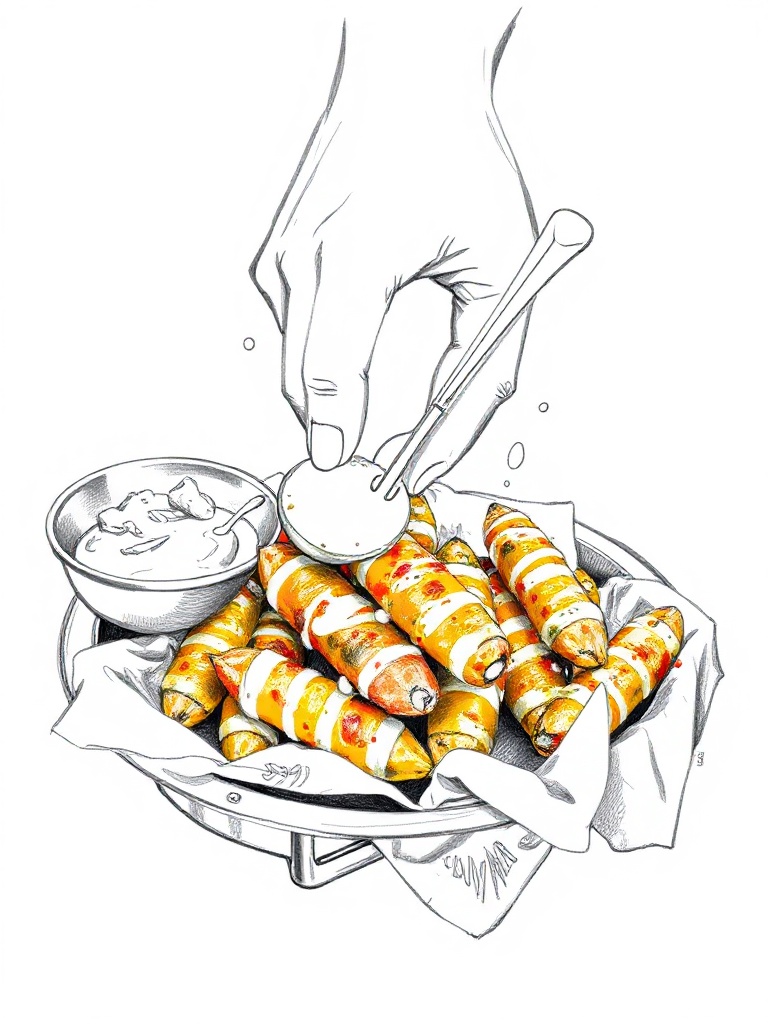
Cajun cooking is approachable and adaptable. Start with a reliable roux, respect the holy trinity, and build flavors gradually. Small adjustments in spice, heat, and technique let you make every dish your own while staying true to the cuisine’s bold, comforting spirit.