
 Emma Jantzen
 Magnolia Trees: The Complete Guide to Care, Varieties, and Landscaping Uses
Magnolia Trees: Beauty, Care, and Best Uses in the Landscape
Magnolia trees are prized for their dramatic blooms, glossy foliage, and timeless presence in gardens and streetscapes.
Whether you want a large evergreen specimen or a compact, early-flowering shrub, magnolia varieties offer options that fit many landscape styles and climates.
Why gardeners love magnolia trees
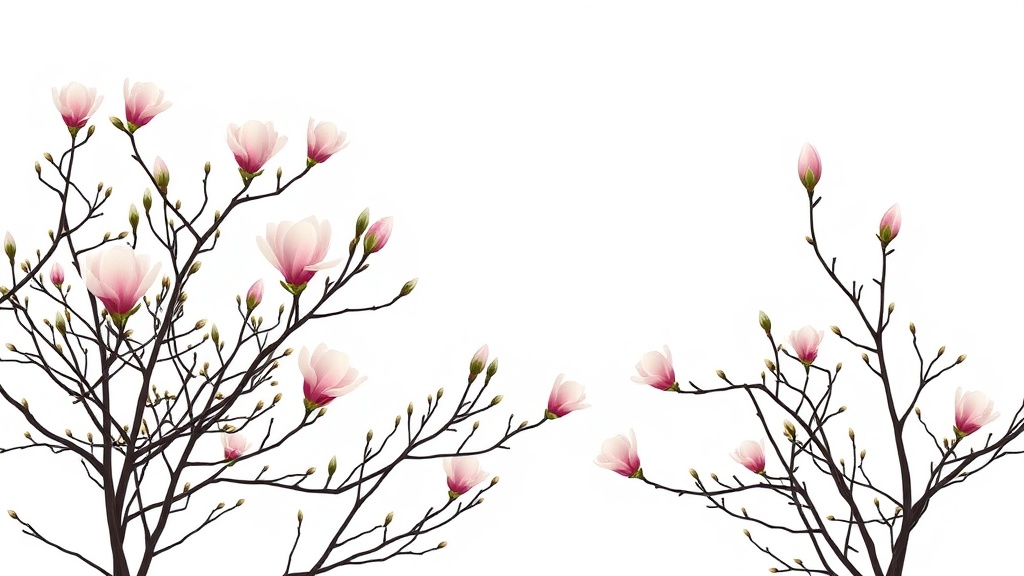
– Fragrance and flowers: Many magnolia species produce large, showy flowers that can be intensely fragrant. Blossoms range from pure white to pink, purple, and creamy yellow, creating focal points during bloom season.
– Seasonal interest: Deciduous magnolias often flower before leaf-out, creating a striking display, while evergreen types provide year-round structure and glossy leaves.
– Wildlife value: Fruit cones and seeds attract birds, and dense branching offers shelter for small wildlife.
Choosing the right magnolia variety
Select a magnolia that suits your space and climate.
Large evergreen magnolias can reach substantial heights and make excellent street or lawn specimens, while smaller cultivars and species like star magnolia and saucer magnolia fit well in smaller yards or as underplantings. Consider growth rate, mature size, bloom timing, and whether you prefer evergreen or deciduous foliage.
Planting and siting tips
– Light: Most magnolias perform best in full sun to partial shade. Some understory species tolerate more shade.
– Soil: Slightly acidic, well-drained soil is ideal. Magnolias tolerate a range of soils but dislike waterlogged roots. Improve heavy clay with organic matter and ensure good drainage.
– Space: Plant with mature spread in mind.
Crowding increases disease risk and diminishes flowering.
– Mulch: Apply a 2–4 inch layer of organic mulch, keeping it a few inches away from the trunk to retain moisture and moderate root temperatures.
Watering and feeding
– Water young trees regularly to establish a deep, healthy root system. After established, many magnolias are drought tolerant but will flower better with consistent moisture during dry spells.
– Fertilize lightly with a balanced, slow-release fertilizer in spring if growth appears slow or leaves are pale.
Avoid excessive nitrogen, which can favor foliage over blooms.
Pruning and maintenance
– Prune sparingly.
Magnolias generally require minimal pruning; heavy cutting can reduce flowering and disrupt natural form.
– Remove dead, diseased, or crossing branches after flowering for deciduous types, and any time for structural corrections on evergreen varieties.
– Avoid late-season pruning to prevent stimulating new growth that could be vulnerable to cold or stress.
Pest and disease management
Common issues include scale insects, leaf spots, and root problems in poorly drained soils.
Good cultural care—proper siting, clean pruning, and avoiding overwatering—prevents most problems.
For persistent infestations, targeted treatments or advice from a local arborist can help.
Propagation and growth
Magnolias can be propagated by seed, cuttings, or grafting, though many cultivated varieties are grafted to maintain specific characteristics.
Layering and taking semi-hardwood cuttings are common methods for enthusiasts.
Landscaping uses
– Specimen planting: Use a magnolia as a centerpiece in lawn or garden beds for maximum impact.
– Entryway or patio: Place near entries or outdoor living areas to enjoy fragrance up close.
– Mixed borders: Smaller magnolias can anchor mixed shrub borders, while large types provide screening and shade.
With thoughtful selection and basic care, magnolia trees reward gardeners with long-lived beauty, sensory appeal, and year-round structure. Their adaptability and variety make them a timeless choice for many landscapes.