
 Emma Jantzen
Magnolia Trees: The Ultimate Guide to Choosing, Planting, and Caring for Fragrant, Showy Specimens
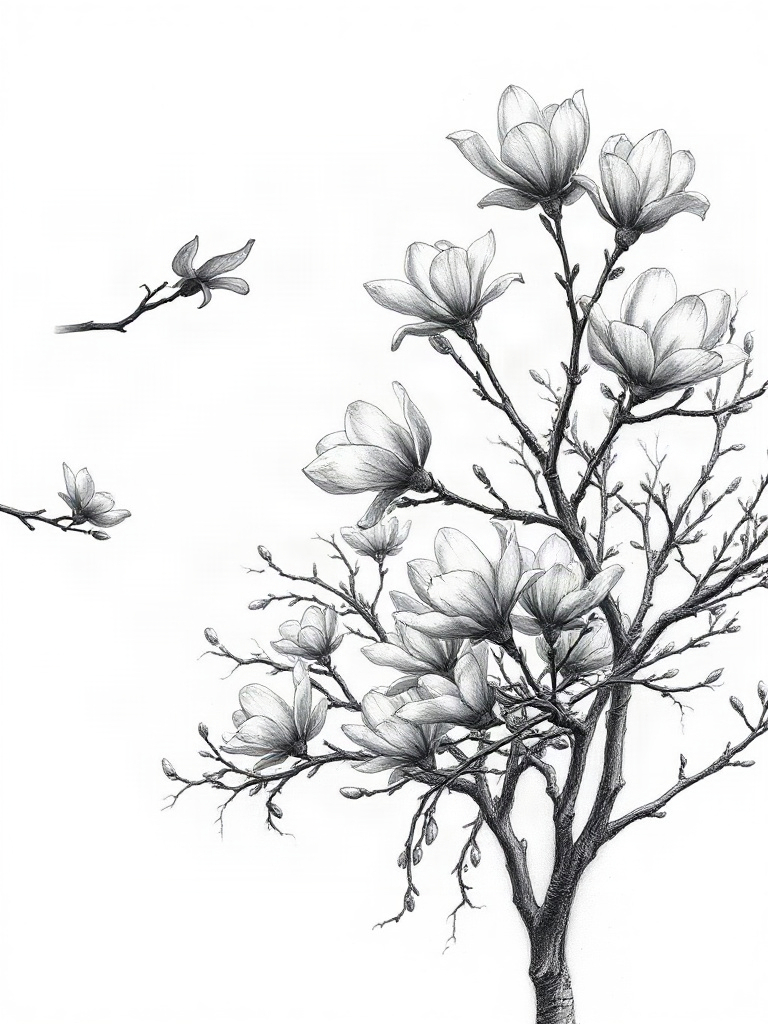
Magnolia trees deliver dramatic, fragrant blooms and glossy foliage that elevate any landscape.
With species ranging from compact, early-blooming shrubs to large evergreen trees, magnolias offer options for small urban yards, formal gardens, and parkland alike. Choosing the right variety and giving basic, seasonal care ensures reliable performance and long-lived beauty.
Why choose a magnolia
– Eye-catching flowers: Magnolias produce large, showy blooms in colors from pure white to deep pink and purple. Many are famously fragrant, making them focal points near patios and entryways.
– Versatile forms: Options include low-growing, multi-stem shrubs and tall canopy trees.
Evergreen types provide year-round interest; deciduous species put on a bold spring display.
– Wildlife value: Flowers attract pollinators, and seeds feed birds. Mature magnolias also offer shelter for small wildlife.
Picking the right variety
Select a magnolia that matches space and climate. Smaller types like star magnolia and some saucer magnolias suit narrow yards or containers; classic Southern magnolia and Magnolia grandiflora hybrids work well as large specimen trees and street trees. Cold-hardy cultivars exist for cooler climates, while evergreen magnolias thrive where winters are milder. Check mature height and spread before planting to avoid crowding structures or utilities.
Planting and site selection
Magnolias prefer a sheltered location with protection from harsh winds that can damage large blooms and young shoots. Plant in a spot with:
– Full sun to partial shade; morning sun with afternoon protection benefits bloom retention.
– Moist, well-draining soil with plenty of organic matter.
– Adequate space for the mature canopy.
When planting, dig a hole as deep as the root ball and at least twice as wide. Place the root flare slightly above grade, backfill with native soil amended with compost, and water thoroughly to eliminate air pockets.
Care essentials
– Watering: Keep young magnolias consistently moist during establishment. Deep, infrequent watering encourages a strong root system once established.
– Mulching: Apply a 2–4 inch layer of organic mulch around the root zone, keeping mulch away from the trunk to prevent rot. Mulch helps retain moisture and moderate soil temperature.
– Fertilizing: Many magnolias do well with minimal feeding. If growth is slow or foliage pale, apply a balanced, slow-release fertilizer or an acid-forming fertilizer if soil pH is high.
– Pruning: Minimal pruning is best.
Remove dead or crossing branches in late winter or after flowering for deciduous types. Avoid heavy pruning into old wood on species that produce few epicormic shoots.
Common pests and problems
Magnolias can be affected by scale insects, aphids, and fungal leaf spots. Good cultural practices—proper watering, air circulation, and healthy soil—reduce susceptibility. Treat scale and aphid outbreaks with horticultural oil or insecticidal soap, and consult local extension resources for diagnosis of persistent issues.
Propagation and transplanting
Magnolias are usually propagated by grafting or from semi-ripe cuttings for cultivar fidelity. Seed propagation is possible but may not produce true-to-type offspring. When transplanting, move trees during dormancy and keep roots protected and moist.
Landscape uses and companions
Use magnolias as specimen trees, street trees, or grouped in mixed borders.
Plant with companions that enjoy similar soil moisture and light: rhododendrons, azaleas, hydrangeas, and native ferns create complementary textures and color contrasts.
With appropriate variety selection and straightforward care, magnolias provide long-lasting beauty and seasonal drama that enhance almost any garden setting.
0 Comment