
 Emma Jantzen
Memphis BBQ at Home: How to Recreate Legendary Pork & Ribs
Memphis BBQ: What Makes It Legendary — and How to Recreate It at Home
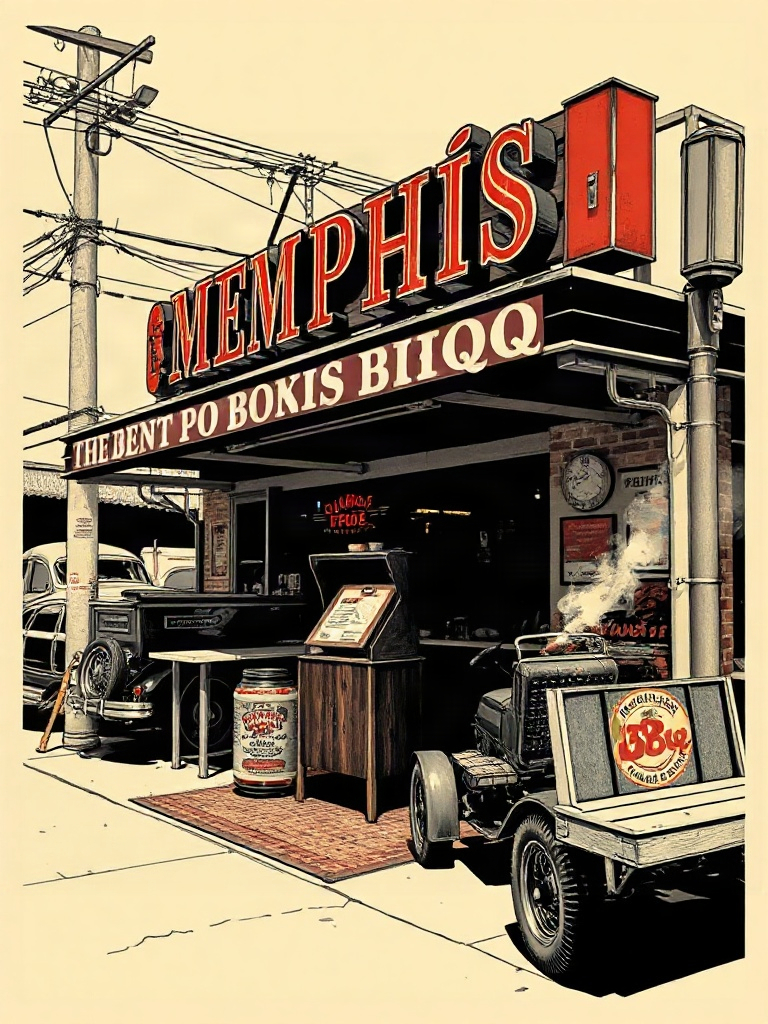
Memphis BBQ has a reputation that keeps food lovers coming back: pork-forward, smoke-kissed, and built around a balance of savory dry rubs and tangy sauces. Whether you’re standing at a legendary pit house or firing up a smoker in the backyard, a few core elements define the Memphis approach.
What sets Memphis apart
– Pork-focused: Pulled pork shoulder and pork ribs are the stars. Brisket and chicken appear on menus, but pork is king.
– Dry vs. wet ribs: Two local camps thrive. Dry ribs are seasoned with a spice rub and smoked, offering a crisp exterior and concentrated flavor. Wet ribs get a generous basting of sauce during the final minutes of cooking for a glossy, sticky finish.
– Minimal saucing on pulled pork: Pulled pork often arrives with just a light mop of sauce or sauce on the side, allowing the smoke and rub to shine.
– Emphasis on texture: A deep bark on the exterior and tender, juicy meat inside is the goal. Smoky bark, well-rendered fat, and moist pull are prized.
Key techniques and flavor building blocks
– Low and slow: Maintain a steady smoker temperature around 225–250°F. This range breaks down collagen without drying the meat, creating tender pulled pork and fall-off-the-bone ribs.
– Wood choice: Hickory and pecan are classic choices for a bold, nutty smoke. Fruit woods such as apple or cherry add a milder, sweeter profile; blending woods is common.
– The rub: A simple, effective dry rub combines salt, black pepper, paprika, brown sugar, garlic powder, and onion powder. Adjust sweetness and heat to taste.
– Spritzing and mopping: Lightly spritzing racks of ribs or shoulders with apple juice, apple cider vinegar, or a thin mop sauce helps maintain moisture and build bark. Use sparingly to avoid cooling the cook chamber.
– Resting and shredding: Rest smoked pork shoulder for at least 30 minutes under loose foil before shredding. Rest allows juices to redistribute and makes shredding easier.
Memphis must-tries and local quirks
– Pulled pork sandwiches: Often served on soft buns with coleslaw on top or on the side. Slaw adds crunch and a bright contrast to rich pork.
– Ribs: Both spare ribs and baby backs appear; ask about dry or wet preparation.
A good rack will have a pronounced bark, visible smoke ring, and tender meat that yields to the bite.
– Barbecue spaghetti: A regional oddity found on some Memphis menus — spaghetti tossed with a tangy, meaty barbecue sauce for a comforting side or main.
– Pit barbecue culture: Many barbecue houses still use charcoal or wood pits, and attention to smoke and consistency is part of the craft.
Simple Memphis-style backyard recipe tips
1.
Trim excess fat but leave enough to render. Apply a light binder (mustard or oil) and generous rub.
2. Smoke at 225–250°F using hickory, pecan, or a blend. Monitor internal temp for pork shoulder until it reaches about 195–205°F for easy shredding.
3.
For ribs, smoke until tender, and if finishing wet, brush with sauce in the last 10–15 minutes.
4. Rest meat before slicing or shredding.
Serve sauce on the side so diners control sauciness.
Memphis BBQ is approachable for home cooks yet endlessly rewarding to master. Focus on clean smoke, balanced seasoning, and patient low-and-slow cooking, and you’ll bring a taste of Memphis to any table.
0 Comment